
Commercial Roofing Partner for General Contractors in Athens, GA
Home / Industries We Serve / General Contractors
General Contractors
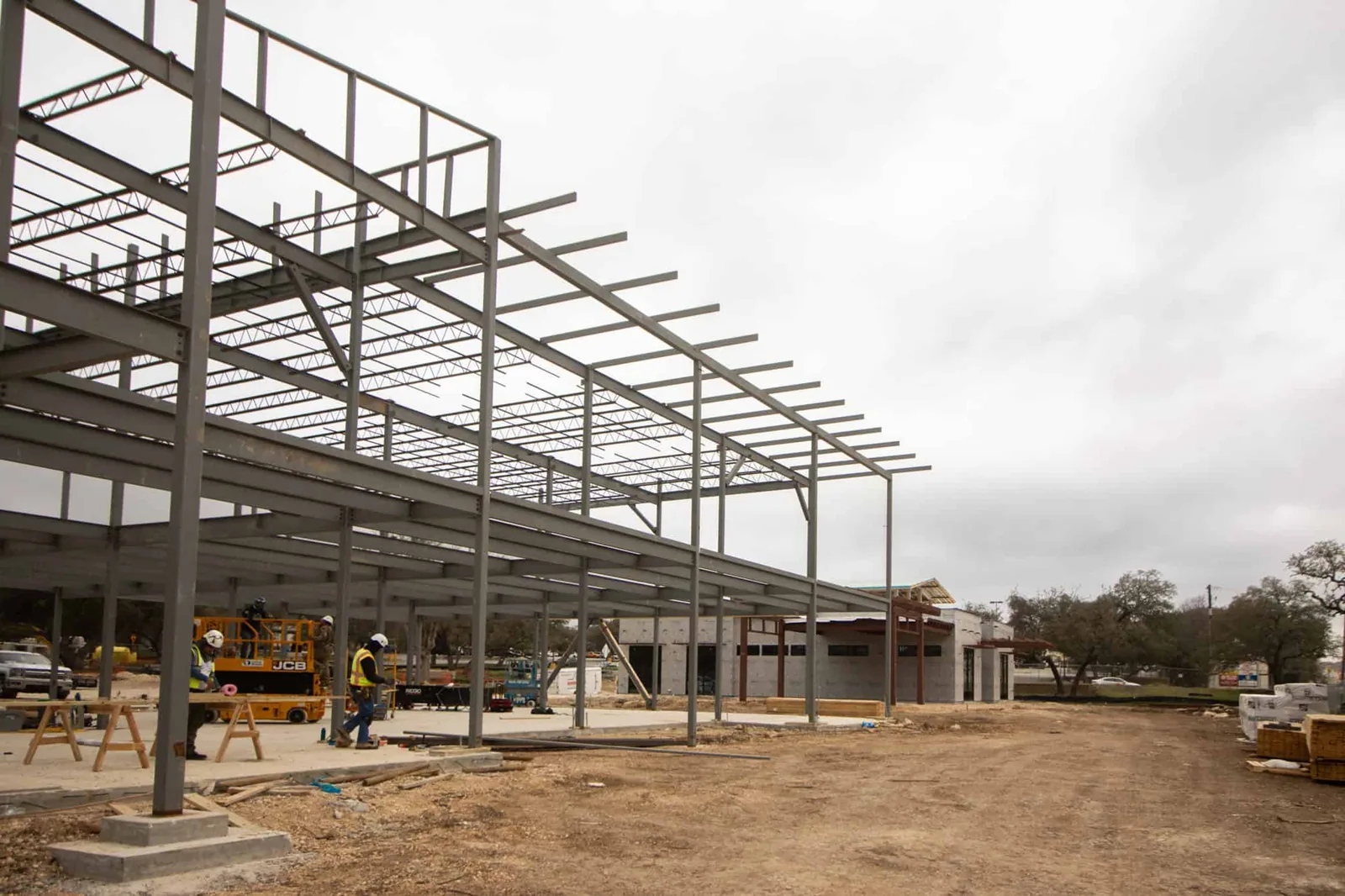
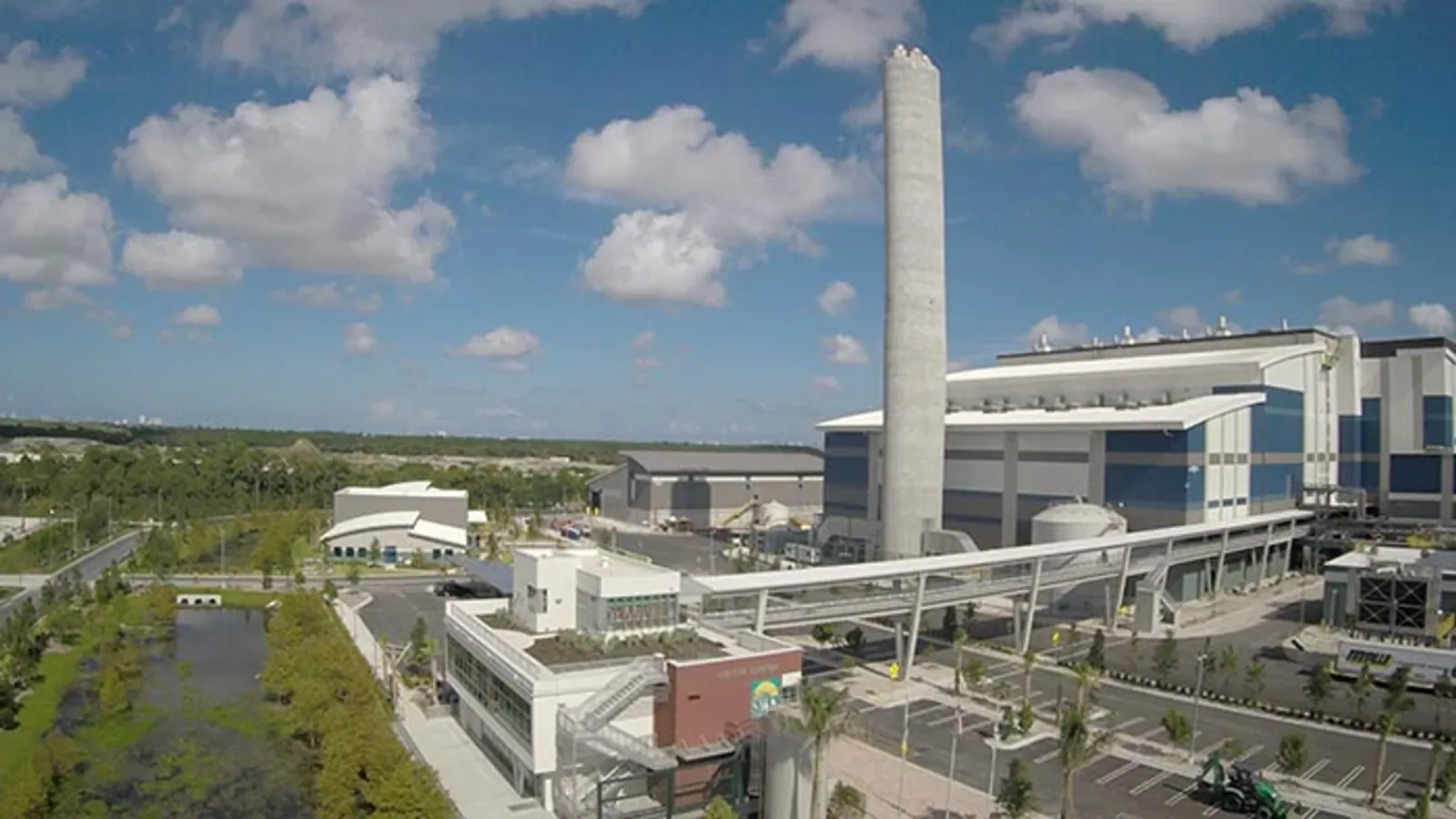
A roofing package fits a construction schedule when the boundary, submittal path and next trade are named before material mobilizes. We review the drawings, inspect existing conditions and coordinate roof access with the superintendent, mechanical contractor and owner’s representative. Athens combines institutional projects around the Athens-Clarke County commercial area with business and industrial sites such as Athens Commerce Park. Each job has different access and turnover constraints. We define our work area, tie-ins and inspection hold points before confirming the roofing sequence.
Resolve the roof boundary before mobilization
We compare the roof plans with field dimensions, drains, curbs, penetrations, edges and existing assemblies. Questions about deck condition, insulation, attachment, tapered transitions or parapet details are logged for design direction before installation begins. Where a test opening is needed, we identify its location and what information it will provide. The submittal package can then reflect the confirmed roof conditions rather than an assumption carried forward from an incomplete drawing.
The superintendent and roofing lead agree on access, laydown area, crane pick, material delivery and the location for daily cleanup. We record which entrance or route remains in use and how other trades will reach rooftop equipment. A curb coordination review can identify transitions that need mechanical input before flashing is closed. The scope records who answers a field question and who can authorize added work, keeping schedule decisions distinct from cost approval.
Sequence the roofing trade with adjacent work
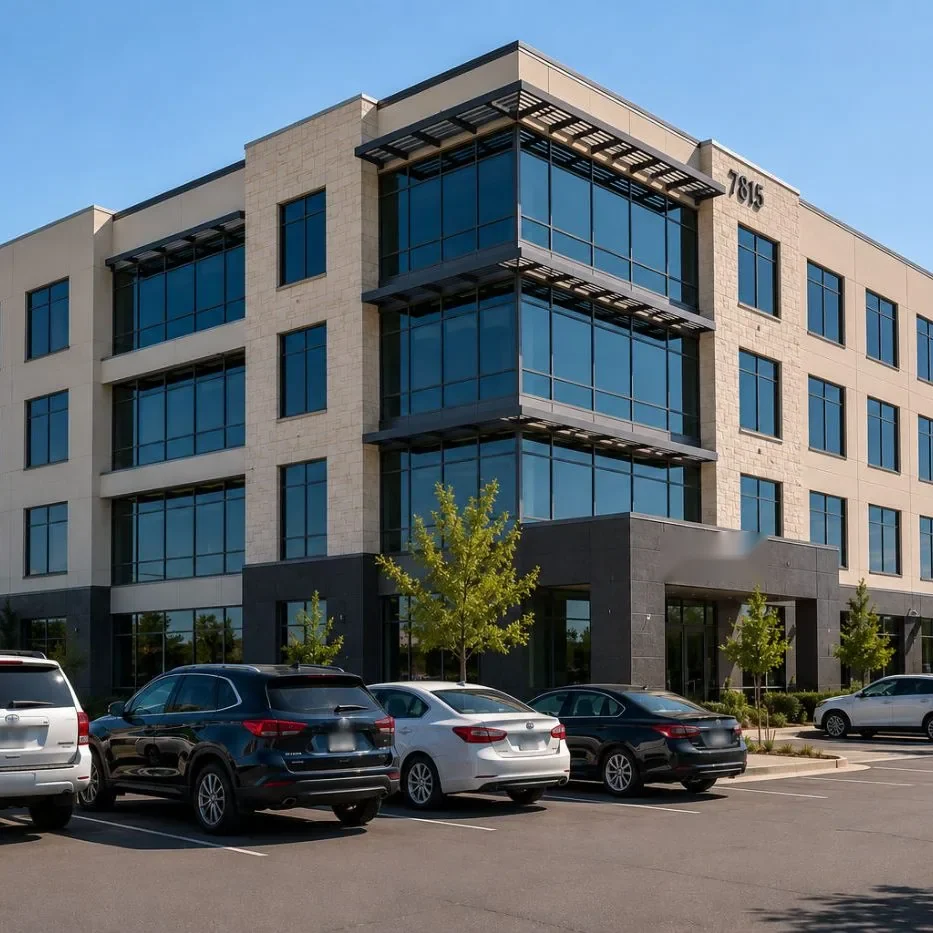
Roofing often follows deck, insulation and mechanical work, then needs clear access for equipment and later inspection. We identify where another trade must finish before membrane placement and where roof protection is required after turnover. At each interface, the plan names the hold point, the responsible contact and the record needed before the next layer is installed. If a curb, drain or edge detail changes, the roofing lead documents the revision and waits for the approved direction.
On an occupied building, the sequence also has to protect the routes and spaces below. The owner’s contact sets work hours, shutdown rules and acceptable noise periods. A phased reroof plan can separate active construction from areas that remain operational. We identify the dry-in limit at the end of each shift so the GC can coordinate interior work, inspections and deliveries against a roof boundary that is actually weather-tight.
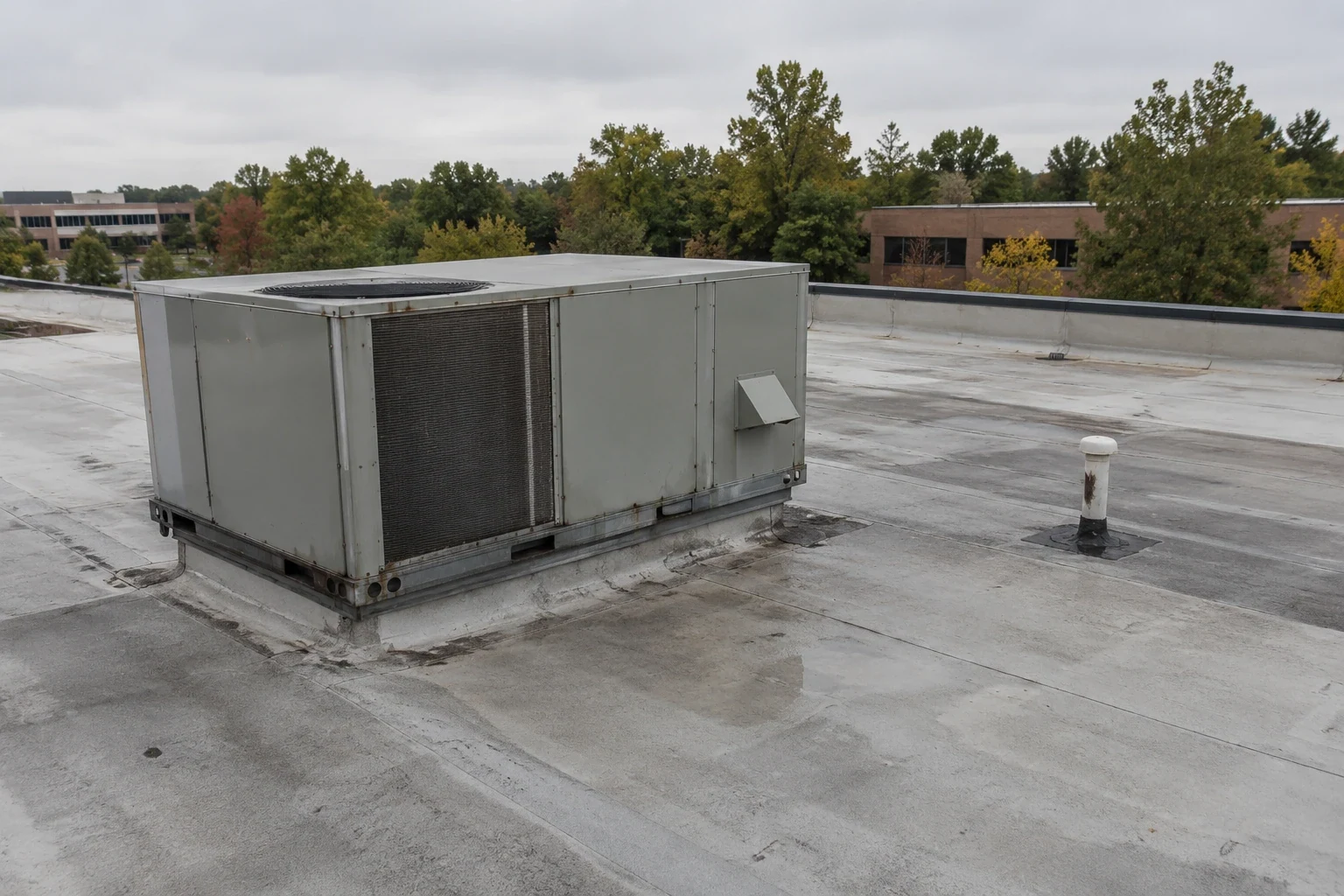
Trade coordination is strongest when the roofing boundary is shown on the current project documents. We verify where roofing stops at parapets, wall cladding, mechanical curbs and skylights, then confirm which contractor owns each transition and protection layer. The schedule identifies predecessor work that must pass inspection before membrane installation and follow-on work that could puncture or contaminate the finished surface. If a detail changes in the field, the general contractor can route the revised condition to the designer and owner before it becomes concealed. That avoids leaving an undocumented interface for the next trade.
Record existing conditions and changes
Before covering a substrate, we photograph deck and insulation conditions that are visible and compare them with the approved scope. Wet materials, corrosion, unexpected layers or concealed damage are recorded by location. We identify the effect on the roofing sequence and request direction before installing over a condition that changes attachment or performance. The GC receives an issue description, affected area and supporting photos so the design and owner teams can make a decision without reopening unrelated roof sections.
Athens-Clarke County’s adopted codes effective January 1, 2026 include the 2024 International Building Code with Georgia Amendments. We coordinate the project’s inspection and documentation requirements with the GC and authority having jurisdiction. The adopted code does not establish the specific permit path for every scope, so the project team confirms applicable review. Our field record tracks the approved detail and inspection status for each phase instead of relying on a general record that the roof is complete.
Protect progress when the forecast shifts
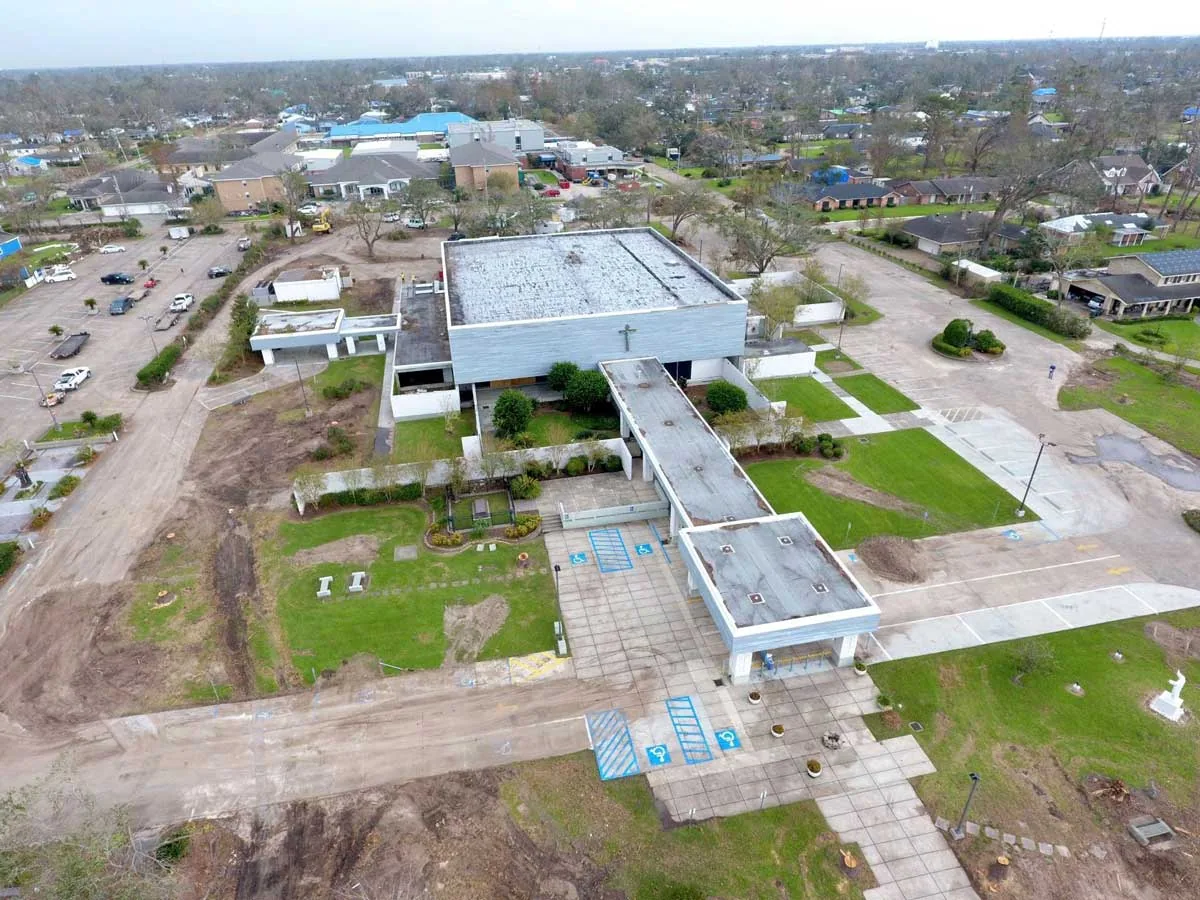
Athens has frequent warm-season thunderstorms, and north-central Georgia faces damaging wind, hail and seasonal tornado risk. We agree on a daily opening limit, dry-in materials and the person who can pause roofing when conditions deteriorate. Material delivery and crane picks are scheduled with that weather window in mind. If rain interrupts the work, the crew secures the tie-in, records what is protected and gives the superintendent a status before other trades plan to enter the area.
We confirm safe access and site check-in requirements, then document any temporary protection separately from the base scope. Permanent repair or replacement is scoped against observed conditions and the GC’s change process. This keeps an emergency action from silently changing the scheduled roofing package or obscuring which event caused a later field condition.
Close the roof package cleanly
Before final turnover, we inspect seams, flashing, penetrations, curbs, drains and perimeter terminations, then remove roofing debris and identify any remaining punch item. The closeout can include photographs, product and assembly records available for the installed scope, inspection status and roof areas completed. We coordinate final access with the GC so mechanical service paths and roof protection expectations are clear to the owner’s facilities team.
For an existing-building project, a condition record can help the GC and owner distinguish pre-existing conditions from work completed under the approved scope. A plant owner or public agency may add operating or procurement requirements; we carry the approved constraints into the project record. The contractor receives a closeout tied to the roof map and approved detail, not a claim about service life or a promise beyond the defined scope.
Where the roof is on the critical path, the superintendent can use the phase map to coordinate inspections, mechanical startup and interior close-in. We identify the point at which a roof section is weather-tight and the documentation needed before another trade returns. If a weather hold or concealed condition changes that sequence, the field record records the affected zone and revised handoff so schedule updates refer to the same scope.

Coordinate the roofing scope early
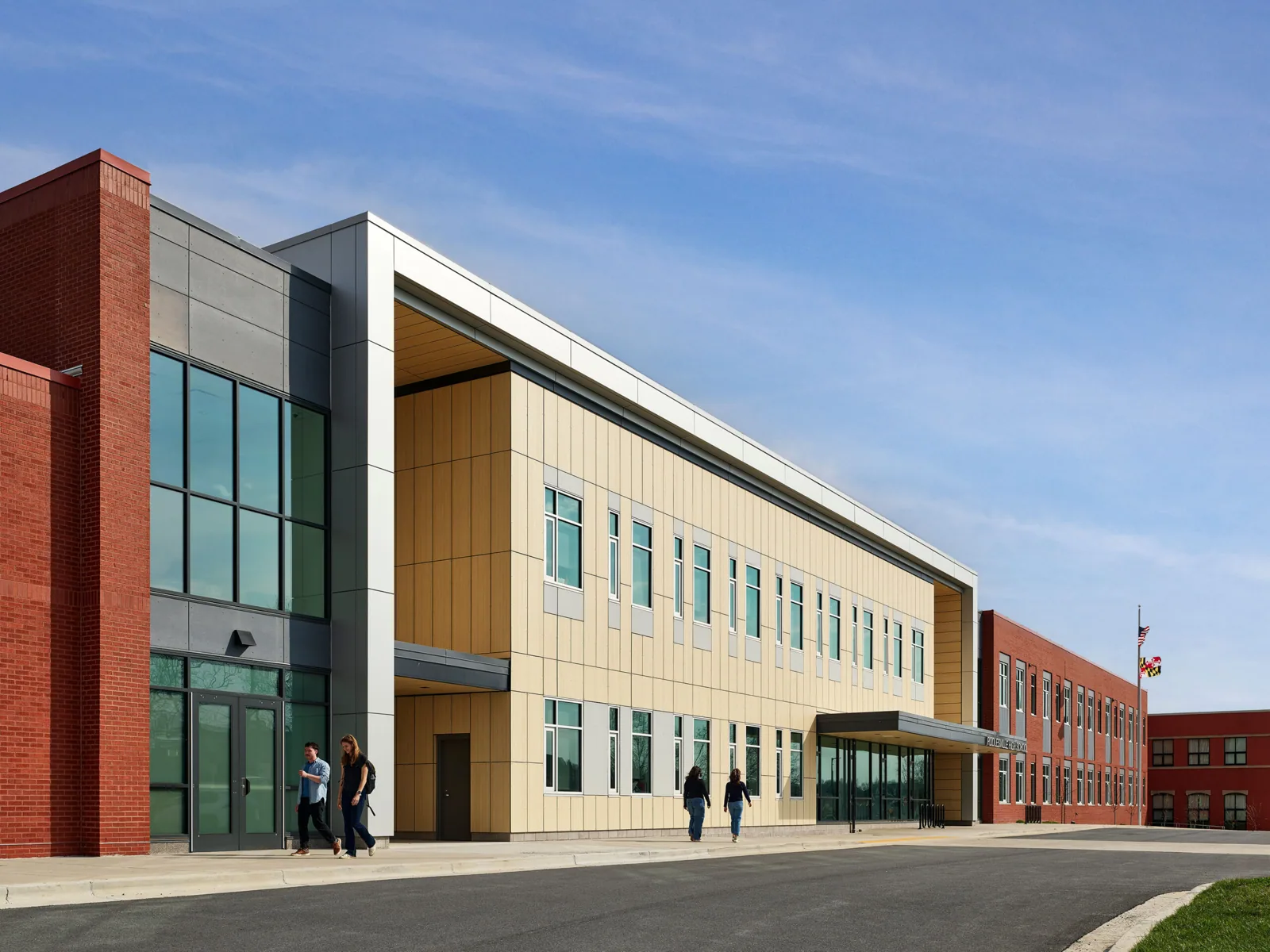
Send the plans, schedule, site logistics, existing roof information, specification and contact for design questions. We will identify field conditions, submittal needs, trade interfaces, access constraints and the daily dry-in boundary. If an occupied facility has blackout dates or equipment shutdowns, include them before the roof package is sequenced.
Commercial Roofing Athens can coordinate preconstruction, phased installation, repair or replacement with the GC and owner team. Contact us to review the Athens scope before material release and confirm who controls field direction and turnover.
Frequently Asked Questions
When should the roofer join preconstruction?
Before material release, when roof boundaries, deck assumptions, equipment curbs, crane access and inspection points can still be coordinated with the drawings and field schedule.
How do you handle concealed deck damage?
We photograph the location, describe its effect on attachment or sequencing and request direction through the project’s change process before proceeding beyond the approved scope.
Can roofing work proceed alongside mechanical trades?
Yes, after the superintendent defines access, equipment status and interface hold points. We identify the curb and penetration details that must be ready before membrane work closes them.
What documentation comes at turnover?
The closeout can include completed roof zones, photos, inspection status, approved details and remaining punch items tied to the roof map.
How is weather delay handled?
The crew follows the agreed opening limit and dry-in plan, records the protected boundary and updates the superintendent. The project team adjusts the schedule and any scope direction.