Commercial Fire Damage Roof Repair in Athens, GA
Home / Roof Damage Repair / Commercial Fire Damage Roof Repair
Commercial Fire Damage Roof Repair
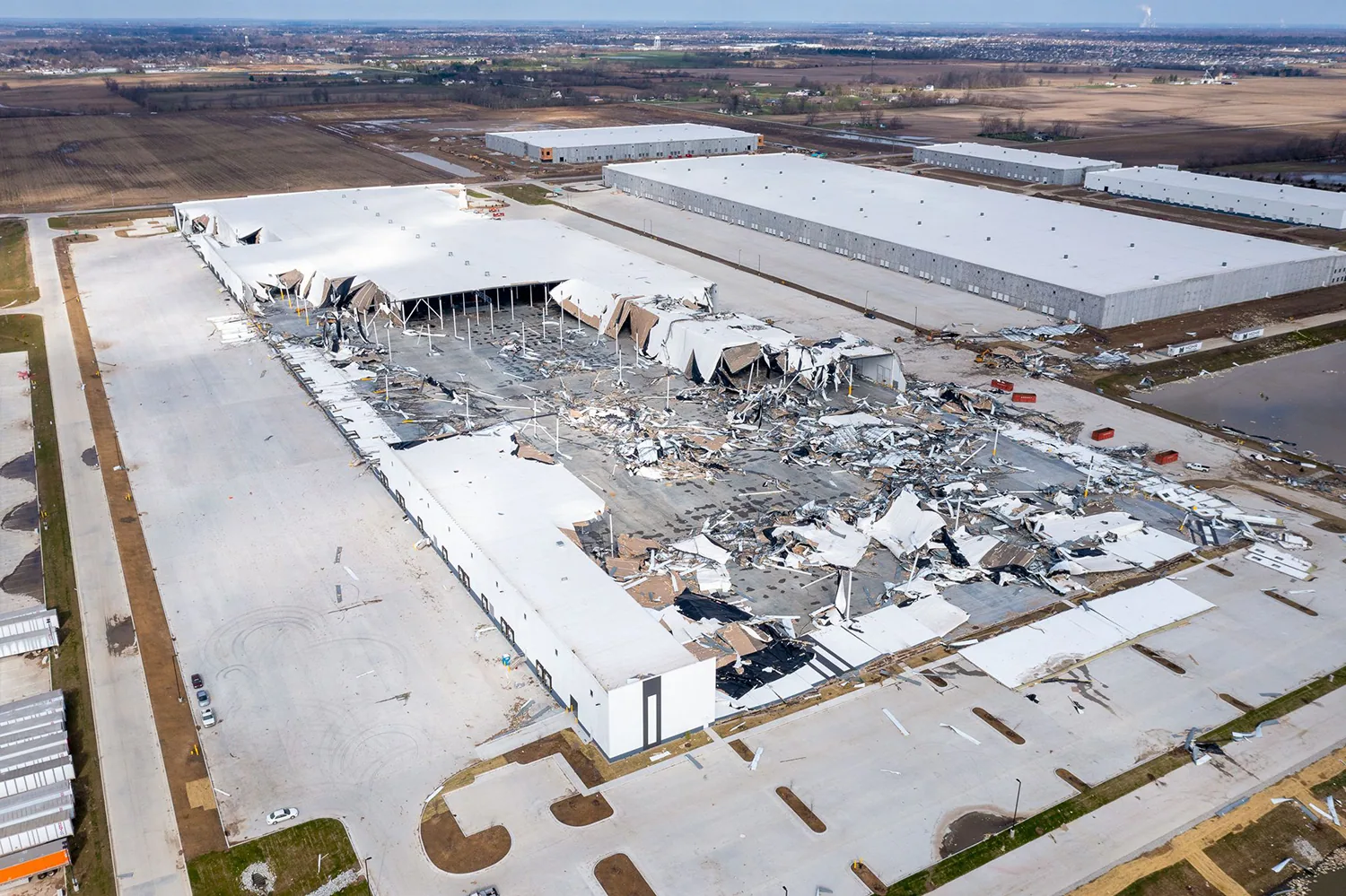
Once fire officials release a building for assessment, the roof inspection must account for heat, smoke, suppression water and any unstable material left behind. We confirm the site contact, restricted areas and safe route before entering the roof. A property near Downtown Athens may have pedestrian and neighboring-business access to coordinate; a campus facility near the Athens-Clarke County commercial area has its own operating controls. We document what is visible, separate roof damage from interior restoration and define which specialist review is still needed.
Wait for clearance before roof entry
Fire response, utility isolation and structural safety determine when a roofing crew can enter. The owner or incident lead identifies the released area, known hazards, overhead debris and whether another trade is still working on the building. We review the access route, hatch or ladder, roof surface and perimeter before starting inspection. If a section remains restricted or unstable, the report identifies it as uninspected rather than implying the full assembly was checked.
Water used during suppression can enter openings or collect in roof layers, while heat may affect membrane, metal, insulation, flashing and equipment supports. We record visible charring, blistering, distortion, punctures, loose components and standing water without deciding structural suitability from a roof walk alone. If the deck or supporting frame may be compromised, we stop and coordinate with the owner’s structural professional and fire-response authorities before resuming roofing assessment.
Separate heat, smoke and water observations
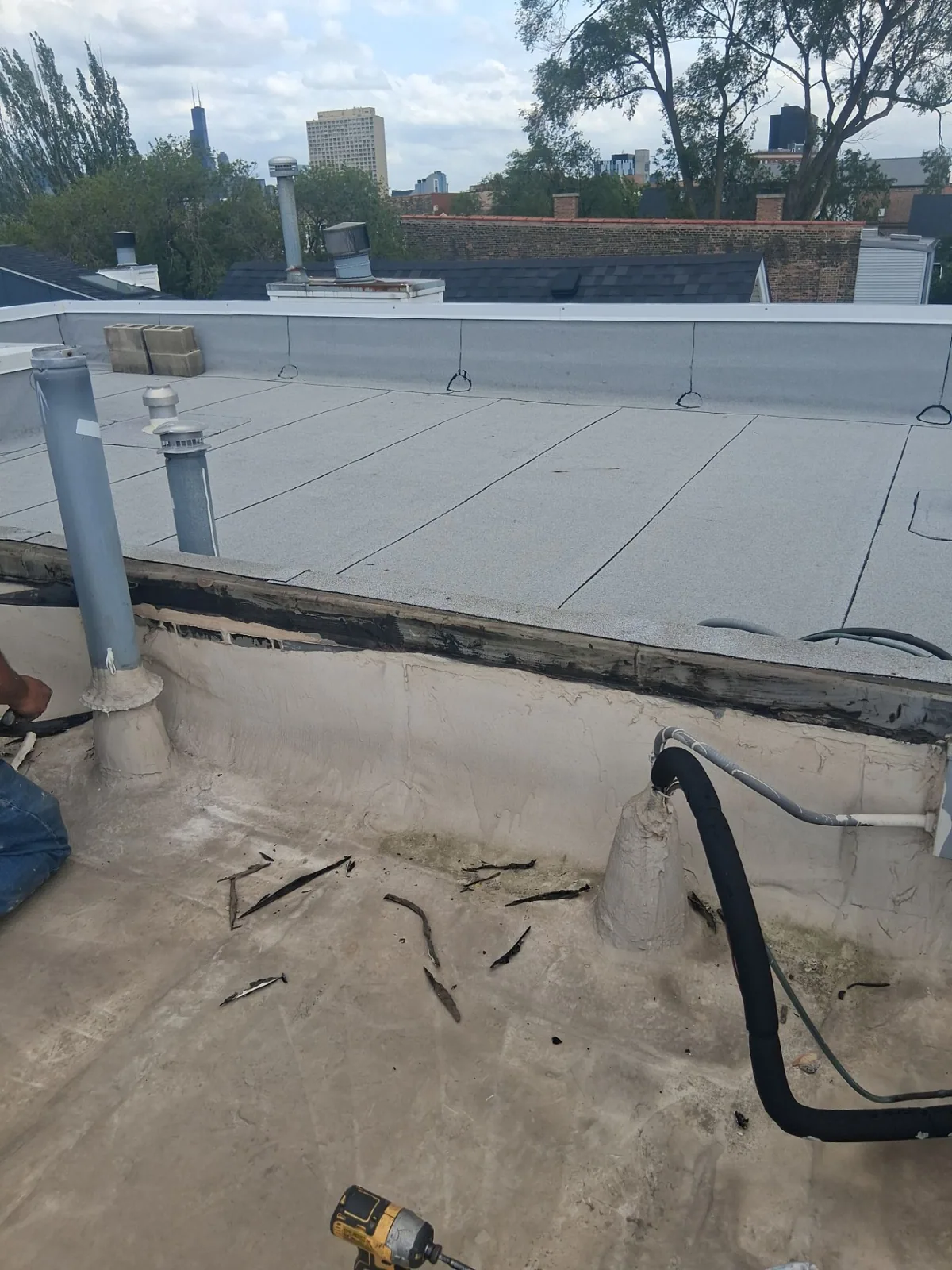
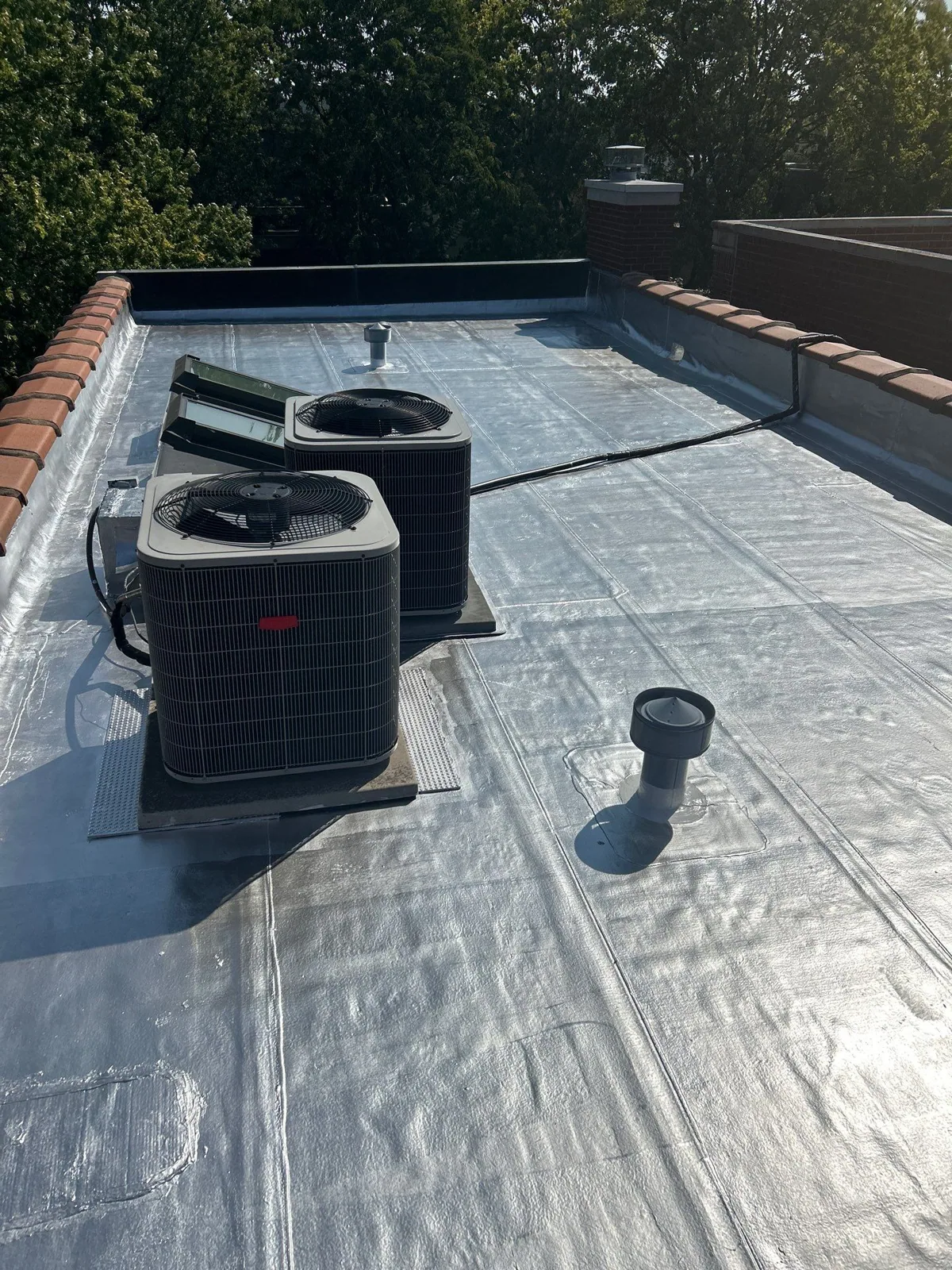
The roof map marks the fire area, nearby penetrations, drains, equipment and any path where suppression water may have moved. We photograph each condition from a safe position and record whether soot, odor, blistering or discoloration is present. Smoke deposits can require a separate cleaning or material evaluation; they do not by themselves establish membrane failure. Heat exposure can alter a material or connection, so we document what is visible and identify testing or manufacturer guidance needed to determine whether the component can remain.
We compare the roof surface with interior reports and incident details supplied by the owner. A condition inspection records the affected zones and areas not reached. If water may be trapped below the membrane, a moisture survey can help select test locations, with sampling required to confirm the concealed layers. The record keeps fire-related observations distinct from unrelated age, maintenance wear or earlier repairs.
Roof observations after a fire should distinguish directly visible heat effects from smoke residue, water exposure and damage created during emergency access. We record the material and area inspected, record any limits imposed by the incident team and keep recommendations within the roofing scope. If the deck, structural members or electrical systems may be affected, those conditions go to the qualified professional responsible for that evaluation. Only after the owner confirms safe access do we define the roof repair boundary and sequence the work around any remaining building restoration.
Protect openings before permanent work
Where an opening exposes the building, the first roofing step may be temporary protection after the site is safe. We mark the limits of the opening, photograph conditions and use a temporary cover or dry-in method suited to the roof and weather. That record states what was stabilized and what remains exposed. The building owner coordinates interior drying, contents handling and smoke remediation with the appropriate restoration specialists; roofing work addresses the roof assembly and its transitions.
Athens’ warm season brings frequent thunderstorms, so temporary coverage and an end-of-shift tie-in need a defined inspection point. We identify who can approve access, how materials arrive and whether a crane pick or debris route affects the property. Permanent repairs follow a separate scope after damaged layers and structural questions are understood. A puncture repair may be needed if debris or suppression activity leaves a discrete membrane opening.
Define what can be repaired and what must go
After initial stabilization, we inspect adjacent membrane, insulation, deck, curbs and edge metal to find the boundary of heat or water effects. A localized patch may address an isolated penetration or small damaged section when the substrate and surrounding membrane remain serviceable. Broader damage, wet insulation, distorted deck or uncertain attachment can require removal and replacement of more material. We list confirmed work, test-dependent quantities and engineering questions separately so the owner can direct each next step.
A replacement scope can address layers that are no longer suitable, while a repair scope may fit a confined defect. The decision depends on field findings, available plans, code review and the structural professional’s direction when needed. Our estimate documents roof conditions and the proposed repair; the policyholder and carrier handle any coverage decision. The property owner and carrier determine coverage, with our photos and roof descriptions supporting the condition record.
Plan restoration in layers
Fire restoration can involve multiple trades, and roof reopening should follow the approved sequence. We coordinate with the general contractor, environmental or smoke-remediation team, mechanical trades and building contact to identify when the roof can be accessed and which penetrations must be rebuilt. Work proceeds by section, with a dry-in boundary and a check before interior finishes return below. Each trade’s completion and inspection status are recorded so the roof is not closed over an unresolved condition.
The local building stock includes institutional, healthcare, retail and manufacturing uses. A building at Piedmont Athens Regional or the business properties along Atlanta Highway may have different operating limits, but the damage assessment remains tied to observed conditions at the affected address. We confirm public routes, material laydown and access with the owner before mobilization and retain photo records at each tie-in. If a wind event opens an adjoining roof area, a wind damage assessment remains a separate condition record.
Keep the repair file tied to the incident area
Closeout shows which roof zones were inspected, what material was removed or repaired, and where a test or engineering review remains open. We photograph the completed transition, check drainage and remove debris from the roofing work area. The owner receives the boundaries of the roofing scope, plus any access limitation that prevented a full inspection. Restoration staff can then match roof completion with interior dry-out and reopening steps.
If later work reveals additional damage, we document the new condition by location and date before extending the scope. This keeps the original response, temporary protection and permanent repair legible to building staff and the carrier. Contact Commercial Roofing Athens to schedule a safe roof review and coordinate a roof-specific work sequence with the owner’s restoration lead.
Frequently Asked Questions
When can a roofer enter after a building fire?
Only after the incident lead or owner confirms the roof and access route are released and safe. We defer to fire officials and qualified structural professionals on hazards outside the roofing scope.
Can smoke residue be cleaned from a roof membrane?
That depends on the material and exposure. We document residue and consult the relevant technical guidance before recommending cleaning or replacement of an affected component.
Does suppression water mean the roof insulation is wet?
Not by itself. We inspect the assembly, identify likely entry points and recommend testing when concealed moisture could change the repair boundary.
Can you install temporary protection before the full scope is known?
When access is cleared and weather allows, we can stabilize an opening and record the limits. Permanent work follows after material and substrate conditions are reviewed.
Will your inspection determine insurance coverage?
No. We document roof conditions and repair quantities. The policyholder and carrier make coverage decisions under the policy.