
Commercial Roof Insurance Restoration in Athens, GA
Home / Industries We Serve / Commercial Roof Insurance Restoration

Commercial Roof Insurance Restoration
A restoration file starts with an event date, a property address and roof observations kept separate from the coverage decision. We confirm safe access, inspect the affected building, photograph visible conditions and map repairs to specific roof areas. Athens’ spring and summer storm season makes a prompt roof walk useful for documenting reported conditions, setting temporary protection and planning the next inspection step. At a business near Athens-Ben Epps Airport or an occupied building in Downtown Athens, we record address-specific findings for the owner and adjuster.
Build a dated condition record
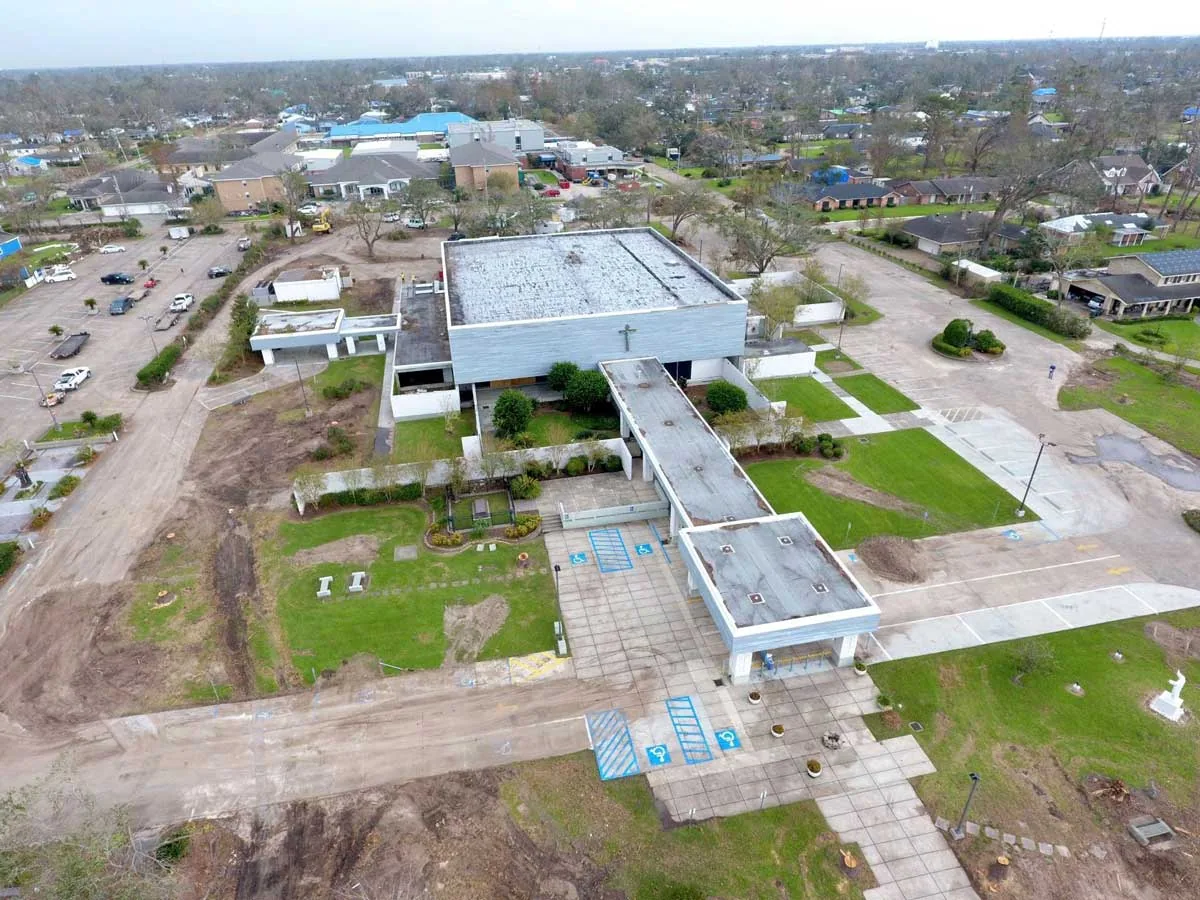
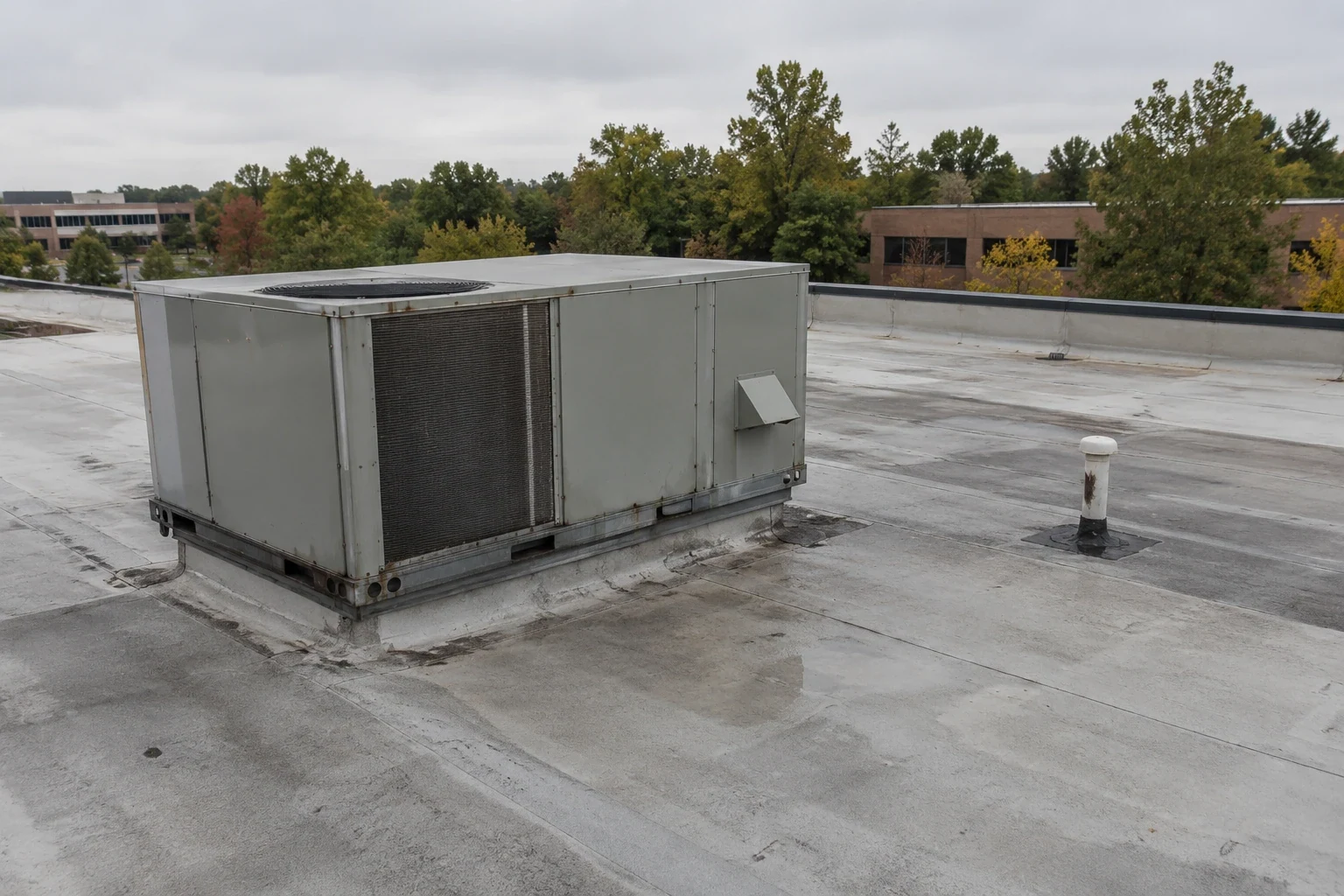
We begin with the reported event date, interior leak locations, current water entry, prior repairs and any temporary protection already applied. The inspection then checks the roof areas related to those reports, including membrane, seams, flashing, curbs, skylights, drains and edges. Photos are tied to the building and location, while records distinguish fresh displacement or impact from older wear that may have another cause. If an area could not be reached safely, the report says so rather than implying that it was inspected.
In this region, severe wind and hail activity is most concentrated in spring and summer; tornado reports most often fall between March and May. Record the reported storm date alongside dated roof photographs, observed conditions, temporary work and the follow-up scope. We compare the reported timing with the conditions seen, list any test needed to establish concealed damage and separate that question from observed defects. An inspection record can support a claim discussion without stating whether a policy covers the work.
Stabilize the building without losing evidence
If water is entering, the first priority is safe access and reasonable temporary protection. We identify the affected interior area, inspect the related roof section and photograph conditions before stabilization when it is safe to do so. If lightning, high wind or an unstable surface prevents roof entry, we coordinate the next safe window instead of placing a crew in an unsafe location.
Temporary covering, interior protection and permanent repair belong in separate records. The first entry records what was done, when, where and what remains exposed. A later inspection documents the lasting repair method and any concealed condition discovered after the roof was opened. This sequence gives the owner, restoration manager and adjuster a clearer timeline and prevents a temporary measure from being confused with the final roof scope.
Tie repair quantities to what was observed
A repair estimate should identify the affected roof zone, material, detail and work needed there. We record whether a seam, puncture, flashing transition, drain or edge detail is involved and include photographs that support the scope. If moisture extends below the surface, a test opening may be needed to establish insulation or deck condition. We list the test area and explain how different findings would change quantities so an unresolved allowance is not presented as confirmed damage.
For broader deterioration, we compare isolated repair with restoration or replacement using the inspected assembly, not the claim description. A dry and stable roof may support a coating evaluation after preparation; widespread wet insulation or failing layers may require a replacement scope. The report explains cost drivers such as tear-off, deck work, access, equipment, protection and operating hours. Coverage and settlement decisions remain with the carrier and policyholder.
Account for occupied Athens properties
Athens has university, healthcare, school, retail and manufacturing buildings, each with different access demands. A property near the Normaltown commercial area may have patient or academic routes to preserve; a facility around Athena Industrial Park may need a delivery and production plan. These nearby place facts help orient a site walk, but the owner’s building use and roof condition must be confirmed at the property. We map the work zone, interior protection and daily tie-in before restoring a roof over occupied space.
Warm-season thunderstorms are frequent in Athens, and hot, humid conditions affect field scheduling. We plan a dry-in point and weather hold before opening a section, then record how the crew protected the roof if conditions change. If another storm affects the property during restoration, the new observation is logged with its date and location. That keeps the original event assessment distinct from later conditions and gives the file a clear sequence of inspection, stabilization and permanent repair.
Keep the file readable for each reviewer
We organize the record so a property manager can connect photographs, findings and work quantities without searching through unrelated roof areas. Each issue has a location, observed condition, action and status. Where testing or access remains pending, it is called out as unresolved. A photo condition report can be shared with the owner’s restoration team and adjuster, while a claim documentation scope keeps the repair description tied to the building evidence.
For a multi-property owner, we keep the property address and event timeline separate even when several buildings report storm effects. An asset manager can coordinate access and tenant communication; a healthcare facilities team may add patient-area restrictions. We name each contact and required access window, then record which approvals are still needed before permanent work proceeds.
If several roof areas are involved, we number them consistently across the photos, roof map and estimate records. The manager can then match an interior report to its related field observation and see whether it is inspected, protected, repaired or still awaiting a test. A simple status list helps keep the file usable when ownership, facilities or restoration contacts change during the claim review.
A useful claim-support file preserves what was observed without assigning a cause that the roof evidence cannot establish. We date photographs, label roof zones, record temporary protection and separate emergency work from permanent repair recommendations. If a carrier, owner or consultant asks a question beyond the inspection scope, the report identifies what additional testing would be needed. Estimates can then be tied to measured quantities and documented conditions, while coverage decisions remain with the parties responsible for the claim. That distinction keeps the technical record clear and reviewable.
Arrange the storm inspection
Provide the property address, reported event date, roof plans, leak locations, prior repair records and any temporary protection already in place. We will inspect safely, photograph observed conditions and identify testing that could change the repair scope. If the building remains occupied, include access rules and the contact who can approve a roof walk.
Commercial Roofing Athens can prepare a location-specific condition record and repair options for the owner’s file. Contact us to schedule the inspection and keep temporary stabilization, permanent work and claim decisions clearly distinguished.
Frequently Asked Questions
Does a storm report prove my roof was damaged?
No. It provides regional or event context, while the building needs an inspection tied to its address, roof area and observed condition. We document what the field review finds.
Can you prepare photos and a repair scope for an adjuster?
Yes. We can organize dated photos, roof locations, inspection findings and repair quantities for the owner’s file. The insurer and policyholder determine coverage under the policy.
What if the roof is still leaking?
We confirm safe access, inspect the related area and document any stabilization. Permanent repair follows a defined scope.
How do you handle hidden moisture?
We identify where a test is needed and state what result would change the scope. Until sampling confirms the condition, the report keeps it separate from visible damage.
Can the roof be coated after storm repairs?
Only after inspection shows the existing assembly is suitable and preparation can address its defects. Moisture or broader layer failure may make another option more appropriate.